The Callr blog
Voice, call tracking & AI, explained
Practical guides, deep dives, and honest platform comparisons on programmable voice, call tracking, and conversational AI — created by the experts who build Callr.
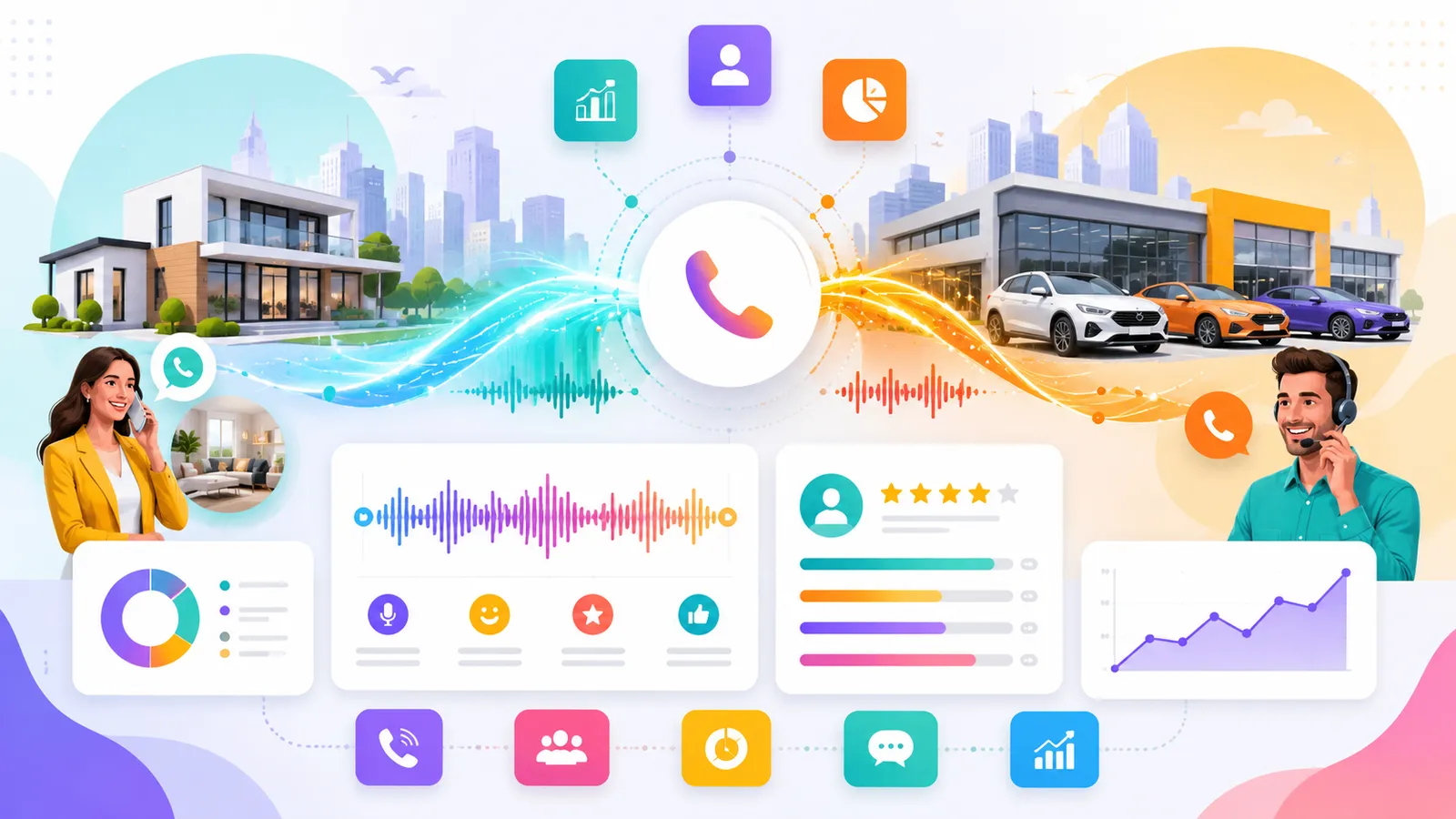
Callr vs Kaisa (Freespee) 2026: Call Tracking & Conversation Intelligence for Marketplaces
Compare Callr and Kaisa (Freespee) for marketplace call tracking and conversation intelligence: carrier-owned infrastructure vs. a wholesale-carrier software layer.

Callr vs iovox 2026: Call Tracking & Conversation Intelligence for Marketplaces
Compare Callr and iovox for marketplace call tracking: carrier-native attribution, built-in conversation intelligence, voice AI flows, EU residency and pricing.

Callr vs Plivo 2026: Carrier-Native Infrastructure vs. the Aggregator Model
Compare Callr and Plivo in 2026: owned EU carrier infrastructure vs. the aggregator model, voice AI options, compliance, pricing, and migration.

Callr vs Telnyx 2026: Two Carrier-Native Platforms, Two Philosophies
Callr vs Telnyx in 2026: both own their carrier infrastructure. Compare EU-native data residency, built-in call tracking, voice AI, and pricing models.

Callr vs Twilio 2026: The Carrier-Native Alternative to the Default Choice
Compare Callr and Twilio for voice in 2026: owned EU carrier infrastructure, default EU data residency, voice AI, real pricing at scale, and a migration path.

Callr vs Vonage 2026: What the Ericsson Acquisition Means for Developers
Compare Callr and Vonage in 2026: owned EU carrier infrastructure vs an Ericsson subsidiary. Architecture, voice AI, pricing, compliance and migration.

What Is a Voice AI Agent?
A voice AI agent answers calls, understands intent, and acts on it automatically. See what they do, how they beat IVR, and where they fit your business.

What Is Call Tracking?
Call tracking connects inbound phone calls to your marketing, so you can see which campaigns drive calls, leads, and revenue, and act on it.

How Marketplaces Use Conversational Intelligence to Measure Leads
Learn how marketplaces use conversational intelligence to spot high-intent buyers, score leads from calls and SMS, and turn more conversations into sales.

The Handbook for Safe User-to-User Communications in the Sharing Economy
How peer-to-peer marketplaces build trust and safety into user communications — with SMS, voice, number masking, and identity, plus advice from P2P operators.

How to Build Trust and Communication into a Peer-to-Peer Marketplace
Practical advice for marketplace founders on choosing communication channels, real-time notifications, and trust mechanisms that keep buyers and sellers engaged.

Overcoming P2P Challenges (Part 2): Trust and Security
How peer-to-peer marketplaces build trust and security — 2FA, masked numbers, reputation systems, moderation — with practical advice from platform founders.

Overcoming P2P Challenges (Part 1): Choosing the Right Notification System
Email, in-app chat, SMS or voice? A practical guide to picking notification channels that keep your peer-to-peer marketplace fast, safe and trusted.

What Is an API? A Plain-English Guide
A clear, jargon-free explanation of what an API is, how APIs and webhooks work, with everyday examples and how Callr uses both to automate workflows.

Turn Call Data Into Sales: A Practical Guide to Optimization
Every customer call carries data you can act on. Here's how to use call tracking and analysis to find better leads, personalize selling, and grow revenue.

Better Customer Experience with AI Agents, SMS, and IVR
How AI agents, SMS automation, and modern IVR work together to deliver faster, more personal customer experiences across voice and messaging.
SMS API & SaaS Integration: The FAQs, Answered
Thinking about adding an SMS API to your SaaS platform? Integration timelines, common pitfalls, data ownership, and A2P regulations, explained.

Fighting Robocalls: What ARCEP Decision 0881 Means for Telecom Professionals
How ARCEP Decision 0881 reshaped caller ID rules and automated calling in France, and what it means for contact centers and telecom operators.

Bloctel Explained: The French Do-Not-Call List for Businesses and Consumers
How Bloctel, France's official do-not-call registry, works for businesses cleaning prospecting lists and for consumers blocking unwanted calls.

The Why, What and How of GDPR for Telcos
A practical guide to GDPR for telecom businesses: why it exists, the rights it grants, the duties it imposes, and how to turn compliance into trust.

Don't Kill Telephony: Why ASR and ACD Scores Matter
Two call-center metrics, ASR and ACD, reveal your traffic quality and keep carriers on your side. Here's how to read them and how to fix low scores.

The Three Paths to VoIP: SIP Trunk, SIP Registrar, and IAX
Choosing a business VoIP setup? Compare SIP Trunk, SIP Registrar, and IAX across bandwidth, codecs, IP authentication, and NAT to pick the right fit.
From Numbers to Trunk Management: The Self-Serve VoIP Platform
Set up SIP and IAX trunks, buy numbers in 30+ countries, and track voice usage from one self-serve VoIP platform — built on Callr's owned EU carrier network.
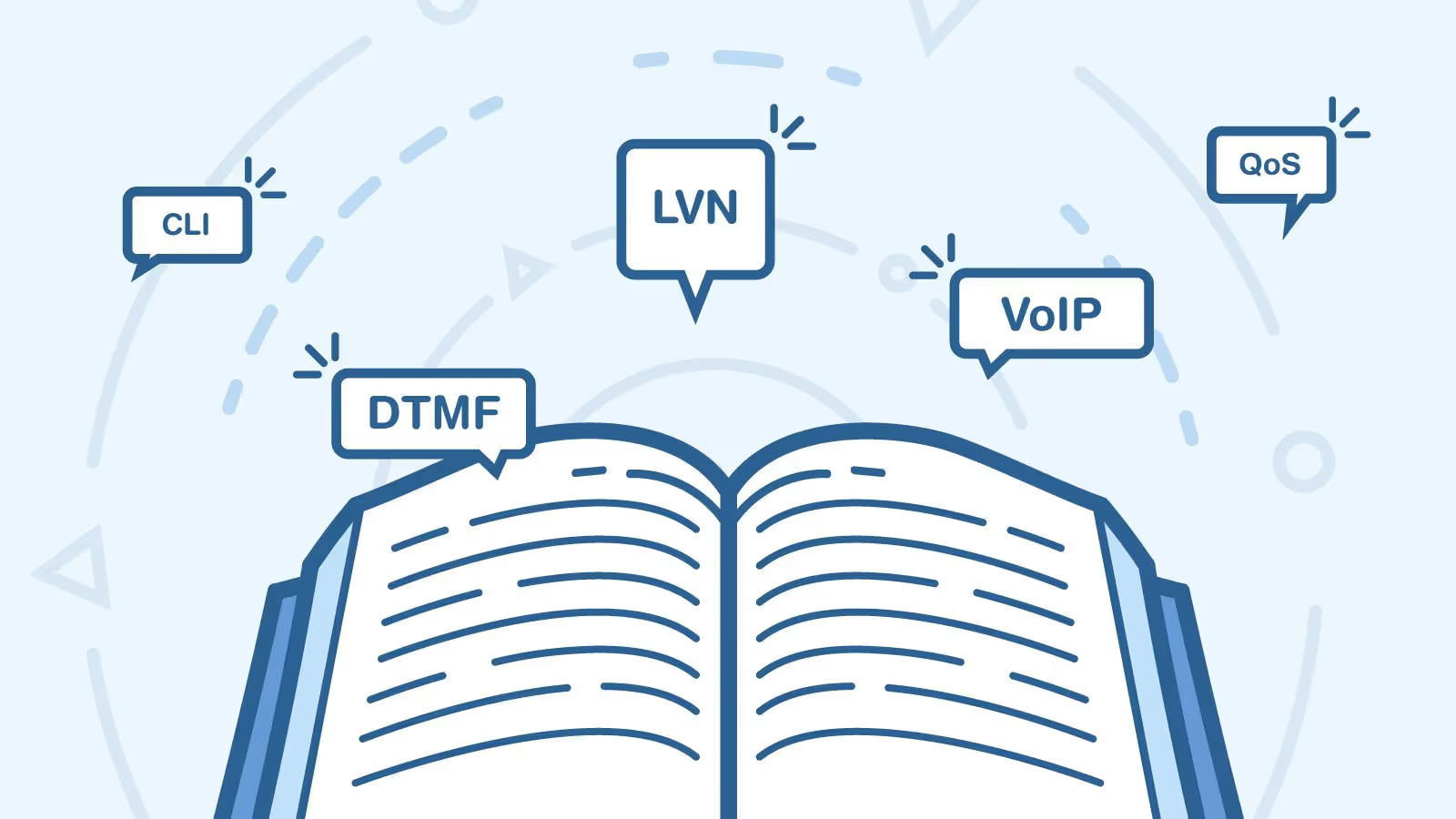
Telecom Acronym Reference: A Plain-English Glossary
A clear, practical glossary of the telecom acronyms you actually meet building voice and SMS — from API, CDR and DID to SIP, RTP and VoIP.

Introducing the Callr Tech Blog: a closer look at our telco infrastructure
We're opening up the engineering behind Callr's telco platform — and open-sourcing tools like our Kamailio exporter for Prometheus. Here's why.

Can SaaS Afford to Leave SMS on the Sidelines?
SMS quietly became the default A2P channel. Here's why SaaS teams use it for onboarding, retention, and customer service — and where it beats email and push.